


What AI Content Is Still Bad At (From Someone Who Sells It)



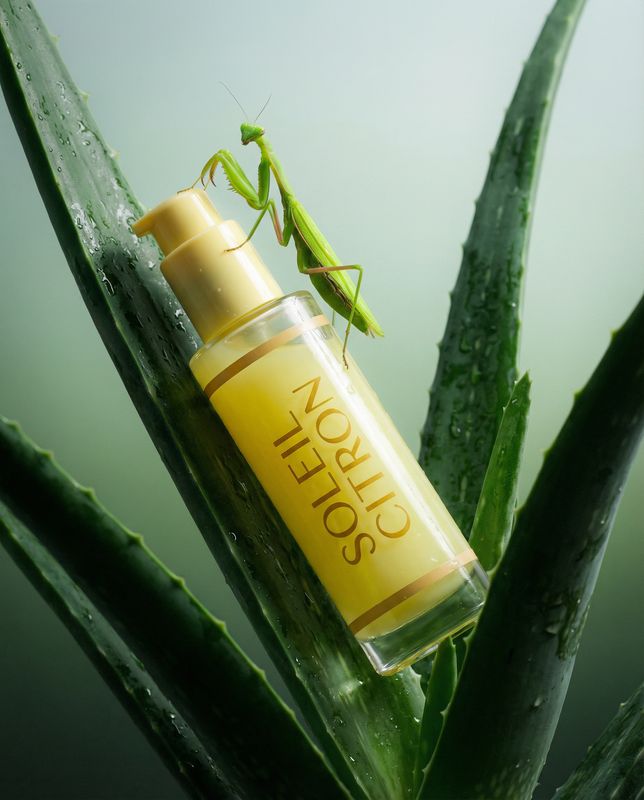


We run an AI content production studio, so take this as testimony against interest: some of what you've heard about AI content is overhyped, and the failure modes are real. Here are the ones we fight daily — and how professional production works around them.
1. Your actual product
The big one. Ask a text-to-image model to generate "a bottle of [your serum] on a marble counter" and you'll get a serum bottle — the label garbled, proportions off, the cap subtly wrong. To your customers, that's not close enough. It's a different product.
Text-to-image models generate the idea of a product, not your product. Anyone selling you scratch-generated shots of your own SKU is selling you images your customers will clock as fake — or worse, images of something you don't actually sell.
The workaround: we never generate products from scratch. Every client-grade product shot starts from the real product — a reference photo fed into image-to-image workflows, so the thing in the frame is your thing. Even a decent phone photo of a sample is enough to build a campaign from. The AI builds the world; your product stays your product.
2. Fine detail under scrutiny
Jewellery clasps. Watch faces. Stitching. Text on packaging. Fabric behaving like actual fabric under motion. The closer the camera and the more the viewer knows the category, the harder AI has to work — and jewellery buyers zoom in.
The workaround: shot planning. We decide upfront which assets carry detail load and route them through reference-based workflows and heavier curation, and which assets are about mood and world-building, where generation can run freer. A campaign is a portfolio of shots with different jobs; treating every image the same is how you get caught.
3. Consistency across a campaign
One good AI image is easy. Forty images that look like the same brand, same model, same location, same day? That's engineering. Faces drift, environments mutate, lighting wanders. This is where most DIY AI content collapses — it looks fine post by post and incoherent as a feed.
The workaround: locked systems. Persistent model identities, defined environments, a controlled prompt library per campaign. Boring, methodical, essential.
4. Knowing when it's wrong
The most underrated failure: AI doesn't know when it's produced something subtly off. A hand with the wrong geometry. Shadows that disagree. A garment that defies physics. The model will present all of it with equal confidence.
The workaround: a trained eye and a high kill rate. A meaningful share of everything we generate goes in the bin. Curation is the product. When AI content looks bad in the wild, it's rarely because the tools failed — it's because nobody was willing to delete enough.
Why we're telling you this
Because the market is splitting in two. On one side: cheap, undirected AI content, and audiences are getting sharper at spotting it every month. On the other: directed AI production that solves these problems systematically and holds up next to a traditional shoot.
The brands getting burned are the ones who were told AI has no limitations. The brands winning are the ones working with people who know exactly where the limitations are — and build around them.
ModeLabs delivers campaign-grade AI content by knowing precisely where the tools break. Bring us a hard product — we like those.

Stay up to date with ModeLabs.


